Category: Protection & Prevention

Actionable strategies to minimize risk and defend your health. Features guides on indoor air filtration, choosing effective protective gear, timing outdoor activities, and post-exposure recovery routines.

  • Urban Heat Islands & Particle Spikes

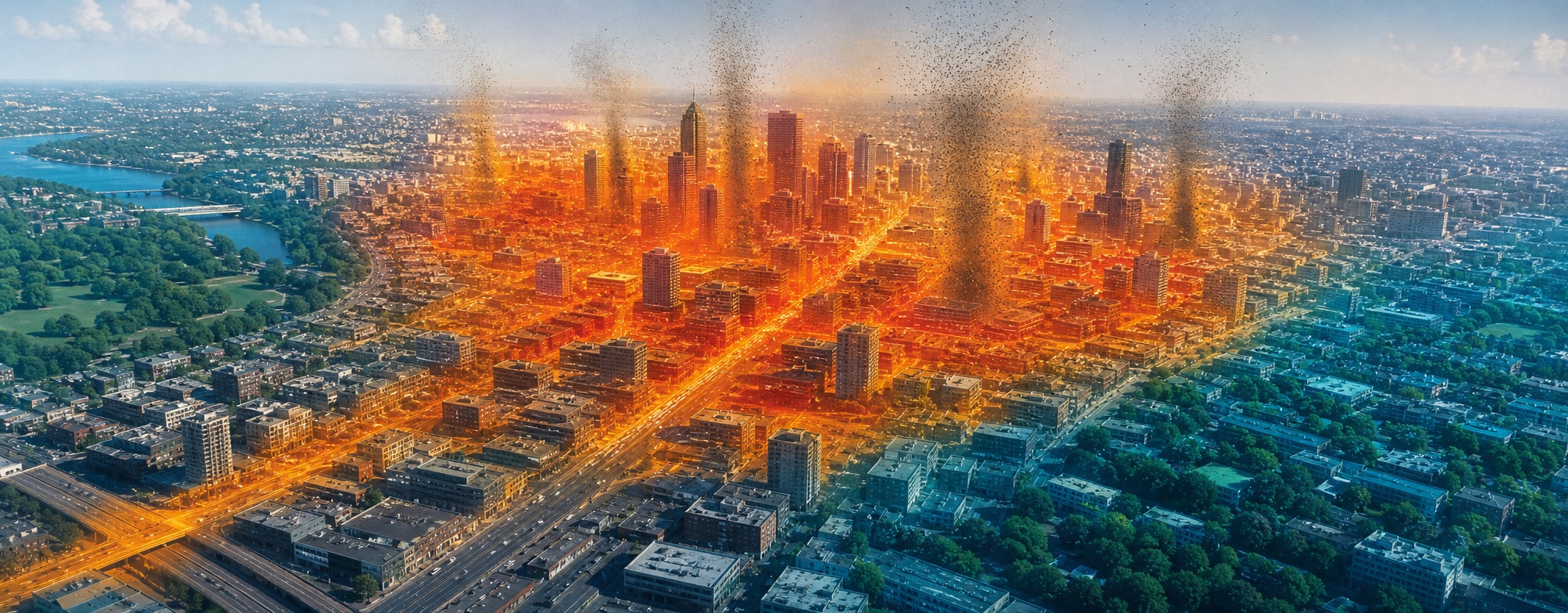
    Urban Heat Islands & Particle Spikes

    Why Hot Cities Make Air Harder to Breathe

    When summer heatwaves settle over concrete jungles, city dwellers face far more than sweltering asphalt and soaring energy bills. Dense metropolitan areas trap heat, creating a microclimate phenomenon known as the Urban Heat Island (UHI) effect. While higher temperatures are uncomfortable on their own, the physiological danger escalates when extreme heat acts as an atmospheric engine—concentrating fine particulate matter (2.5pm) and accelerating the chemical creation of ground-level ozone (O3) in the very air we breathe.

    (more…)
  • Timing Outdoor Workouts Around Daily Pollutant Cycles

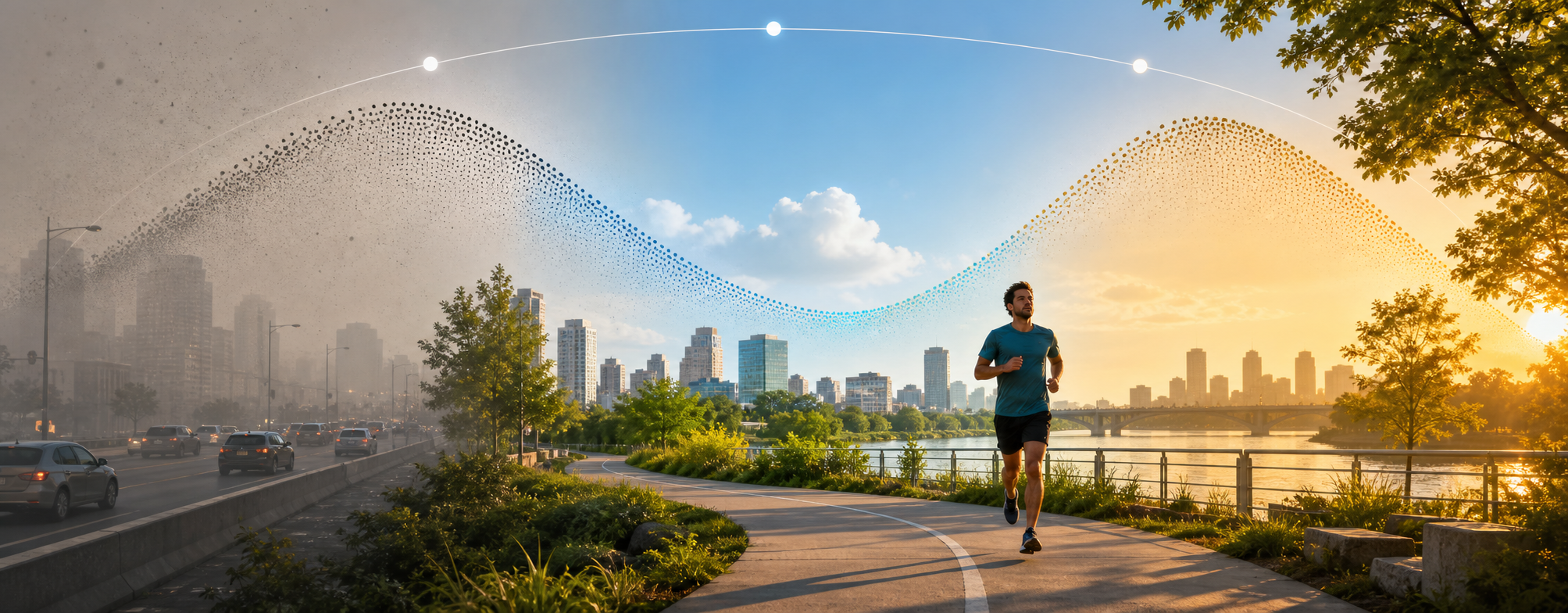
    Timing Outdoor Workouts Around Daily Pollutant Cycles

    For outdoor enthusiasts and athletes, exercise is essential for physical and mental well-being. However, during strenuous workouts, your ventilation rate increases dramatically—drawing up to ten times more air into your lungs per minute compared to resting conditions. This heavy breathing increases your total inhalation of airborne irritants, making timing just as vital as intensity when exercising outdoors.

    (more…)
  • Choosing the Right Home HEPA Filter

    CADR, Sizing, and Particle Capture

    When outdoor air quality deteriorates due to urban smog, wildfire smoke, or seasonal pollen surges, our homes should serve as safe sanctuaries. However, indoor air quality can quickly mirror ambient outdoor pollution if unmanaged. Fine particulate matter (2.5pm), chemical vapors, and biological allergens easily slip through window seals and ventilation gaps.

    (more…)
  • Tracking Wildfire Smoke Across Borders

    How Far Do Micro-Pollutants Travel?

    When large-scale wildfires break out, the most immediate danger appears to be the blazing tree line. Yet, long after flames are contained, an invisible, far more expansive hazard stretches across thousands of miles. Wildland fire smoke is not a localized, short-lived nuisance. Driven by extreme atmospheric heat and global wind currents, toxic plumes travel across ocean basins and continental borders, exposing populations thousands of miles away to hazardous air quality.

    (more…)

Share with